
Decoding Complement Biology
to Redefine Disease Intervention

Research Mission
Our research focuses on understanding how dysregulation of the complement system drives chronic inflammatory disease and on identifying precise intervention points to restore immune balance.
By combining deep complement biology expertise with translational science, we aim to identify precise intervention points where restoring immune balance may alter disease progression.
We concentrate on areas of high unmet medical need where complement overactivation is increasingly recognised as a central driver of pathology.
The Complement System
is a core component of innate immunity
Comprising more than 50 circulating and membrane-bound proteins, it functions as a rapid-response defence network, enhancing pathogen clearance, orchestrating inflammation, and supporting tissue surveillance.
Under normal physiological conditions, complement activation is tightly regulated. Precise control is essential to maintain tissue integrity while preserving immune protection.
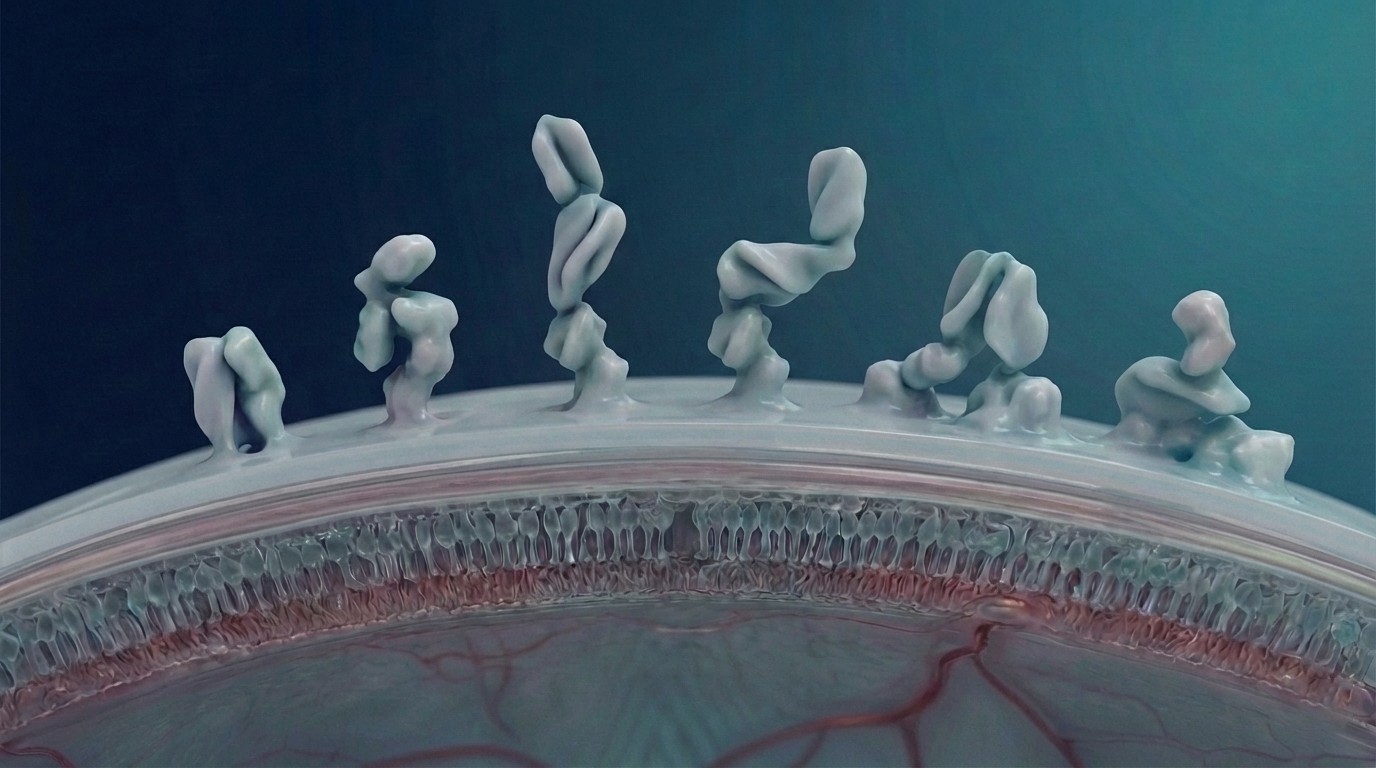
Chronic complement overactivation is a central driver of inflammation and progressive retinal cell loss in Geographic Atrophy.


Scientific Publication
Complement Amplification in Age-Related Macular Degeneration
A peer-reviewed review published in Immunological Reviews (2022)
Prof Simon Clark’s publication – Age-related macular degeneration: A disease of extracellular complement amplification. Immunological Review (2022).